28.10.2025
Can you go in a sauna while pregnant?

The question many moms-to-be ask is whether it’s safe to use a sauna during pregnancy. For many people, sauna is a familiar way to relax, relieve stress, and take time to unwind.
However, sauna during pregnancy requires some extra consideration. Pregnancy changes the way the body responds to heat, and prolonged heat exposure can raise core body temperature and increase the risk of overheating and dehydration. This is especially important during early pregnancy.
So, is it safe to use a sauna while pregnant? The answer depends on factors such as the stage of pregnancy, the temperature and length of the sauna session, your health, and the guidance of your healthcare provider.
Throughout history, people have associated warmth and fertility. A Renaissance-era Italian proverb even said, “If you want your woman to become pregnant, send her to the baths while you stay at home.”
In Estonia, traditional beliefs have also linked sauna and childbirth. Sauna was historically an important place for both giving birth and postpartum care, reflecting its deep connection to family life and major life events.
Some studies have found an association between elevated body temperature during pregnancy and pregnancy complications, while others have not. The clearest concern is prolonged hyperthermia, particularly during early pregnancy.
So before heading to the sauna, it’s worth learning how heat affects you and your growing baby.
This article is for informational purposes only and should not replace medical advice from your healthcare provider.
Every pregnancy is different, so please consult your doctor or healthcare provider before making any decisions about sauna use or heat exposure.
To understand why experts recommend caution, let’s first look at how sauna heat affects the body.
How a sauna affects your body
How a sauna affects your body depends on how your body responds to heat. When you sit in a sauna, your body temperature rises, your heart beats faster, blood vessels widen, and you start to sweat.
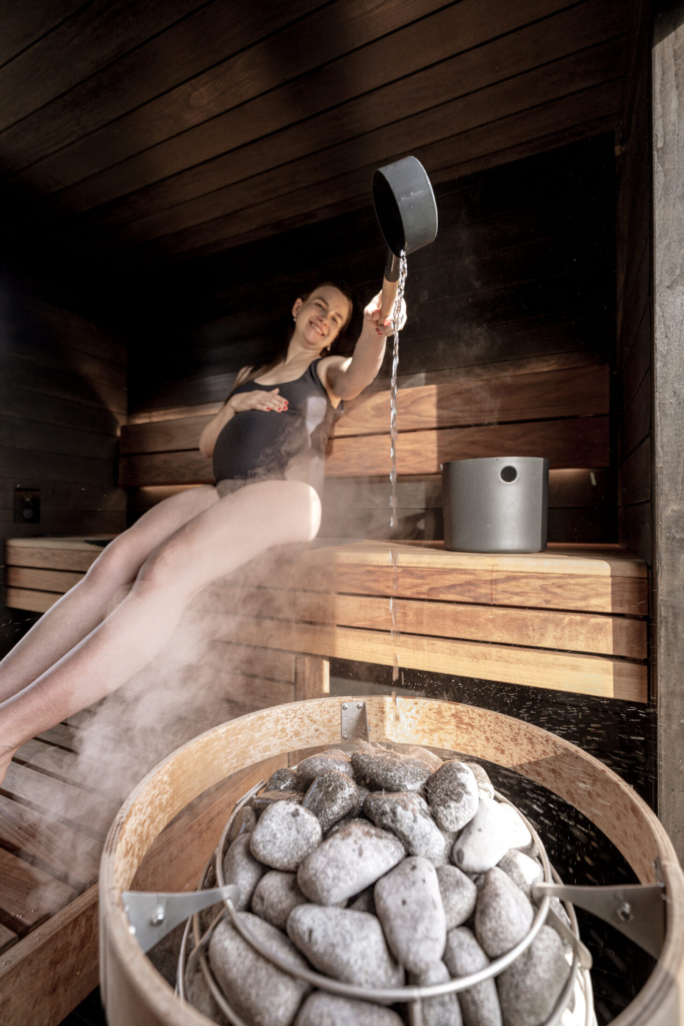
This process helps your body release heat, increase blood flow, and relax your muscles. It’s why saunas can feel so refreshing after exercise or a long day.
But saunas are much hotter than most everyday environments — typically between 70°C and 93°C. In such heat, your core body temperature can rise within minutes.
A core body temperature of 39°C or higher is commonly used in research as a threshold for maternal hyperthermia. This is why avoiding excessive increases in core body temperature is an important consideration during pregnancy.
Now that you know how sauna heat affects the body, let’s look at why pregnancy can change that response.
Why pregnancy changes things
Why pregnancy changes things matters when considering heat exposure. During pregnancy, your cardiovascular system works harder, blood volume increases, and your body has to regulate temperature while supporting your developing baby.
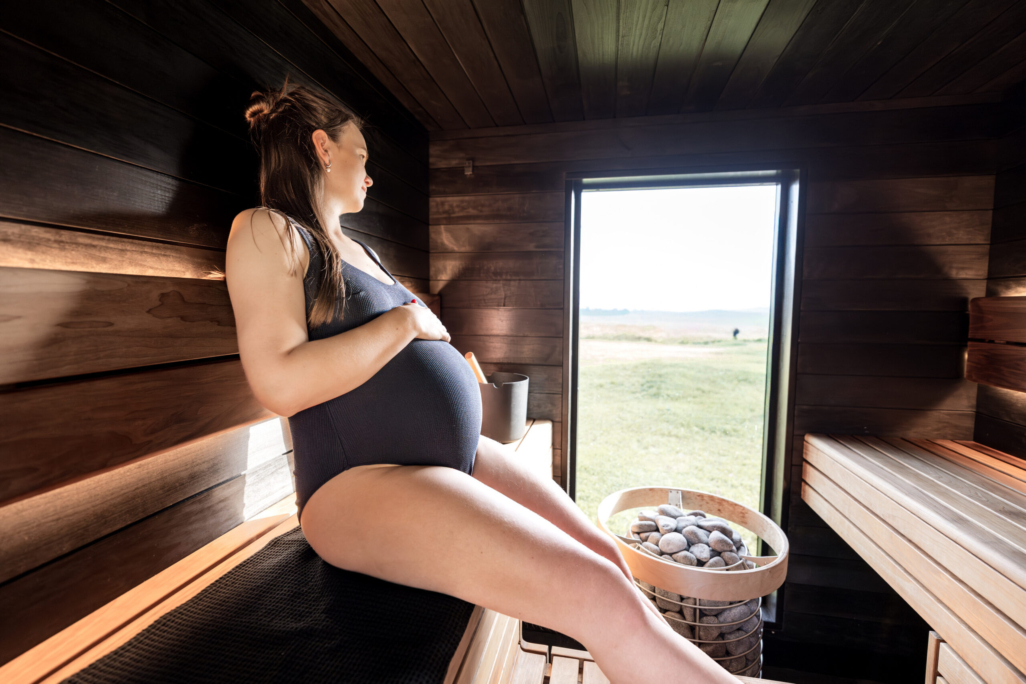
Because of these changes, heat can feel more intense than it did before pregnancy. You may become tired, dizzy, or dehydrated more quickly, especially in a hot environment such as a sauna.
Pregnancy may also make you more vulnerable to heat stress. WHO Europe identifies pregnant women as one of the groups that can be more affected by high temperatures, which is why extra caution is recommended with intense or prolonged heat exposure.
This is particularly important during early pregnancy. Excessive increases in core body temperature, also known as maternal hyperthermia, are one of the main concerns associated with sauna use during pregnancy.
Your individual response to heat can also vary depending on your stage of pregnancy, overall health, hydration, sauna temperature, humidity, and how long you stay in the heat. A sauna routine that felt comfortable before pregnancy may not feel the same once you are pregnant.
For this reason, it is important not to rely only on your previous sauna experience. Pay attention to how your body responds and talk to your healthcare provider before continuing regular sauna use during pregnancy.
Understanding these changes helps explain why recommendations around sauna use focus less on the sauna itself and more on preventing overheating, dehydration, and excessive rises in core body temperature.
Why heat exposure matters during pregnancy
Why heat exposure matters during pregnancy comes down largely to the possibility of excessive heat exposure and maternal hyperthermia, meaning that the mother’s core body temperature becomes unusually high.
NHS guidance notes that there is limited research on sauna, hot tub and steam room use during pregnancy, and that pregnant women may choose to avoid them because of the risks of overheating, dehydration and fainting. A significant rise in core body temperature may be particularly concerning during the first 12 weeks.
Research has also associated high maternal body temperatures during early pregnancy with an increased risk of certain birth defects, including neural tube defects.
WHO Europe also recognises pregnant women as a group that may be more vulnerable to the health effects of high temperatures.
This does not mean that every brief exposure to heat will cause harm. One systematic review found that pregnant women exposed to a dry sauna at 70°C and 15% relative humidity for up to 20 minutes did not reach a core temperature of 39°C. However, these findings were based on specific study conditions and should not be interpreted as a universal recommendation that pregnant women can safely spend 20 minutes in any sauna.
The safest choice is to discuss sauna use with your healthcare provider before continuing your usual sauna routine during pregnancy, particularly during the first trimester.
The same caution applies to other sources of intense heat, including hot tubs and very hot baths. If your healthcare provider recommends that you avoid significant heat exposure, you should refrain from sauna use as well.
Can you sit in a sauna while pregnant?
Can you sit in a sauna while pregnant without risk? It’s a question many moms-to-be ask.
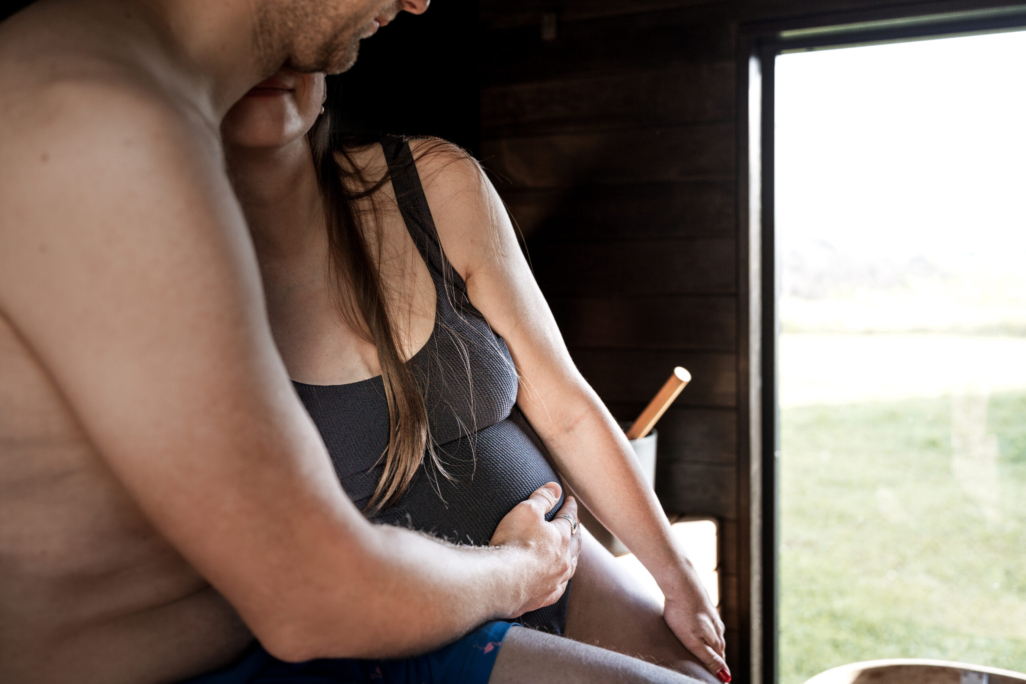
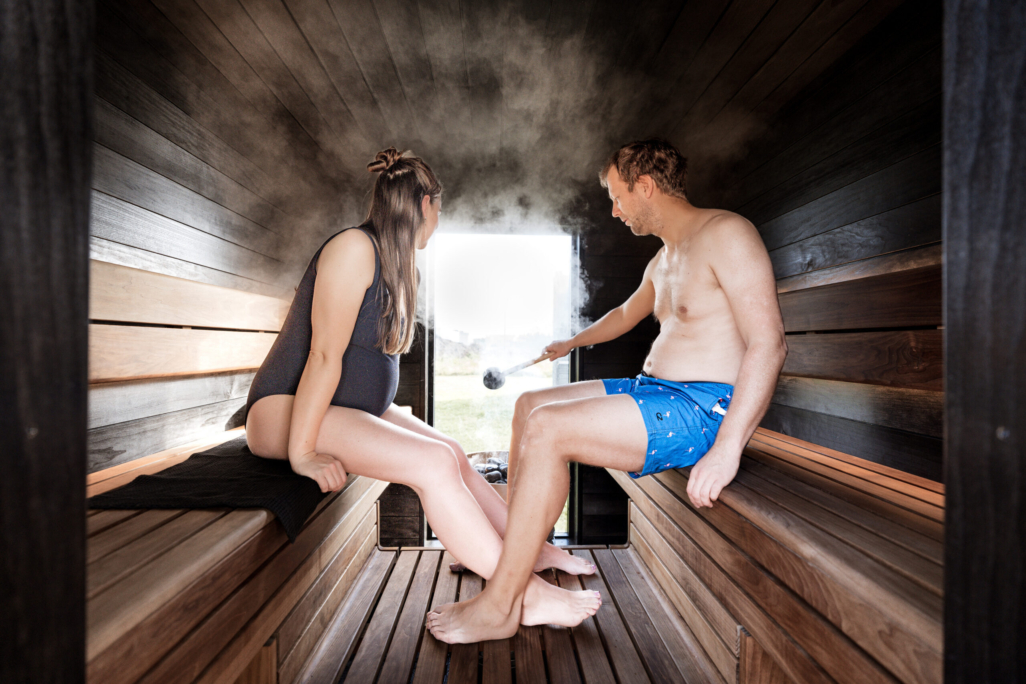
Sitting in a hot sauna can raise your core body temperature and heart rate and may increase the risk of overheating, dehydration, dizziness, and fainting, particularly with prolonged heat exposure.
If your healthcare provider says sauna use is appropriate for you, keep the exposure conservative, stay hydrated, and leave immediately if you feel unwell.
Pay attention to how you feel and leave the sauna immediately if you become dizzy, weak, nauseous, or unusually hot.
Since these risks are closely tied to body temperature, let’s examine what health organisations and research say about sauna use during pregnancy.
What the experts say
What the experts say about sauna use during pregnancy focuses primarily on preventing excessive increases in core body temperature.
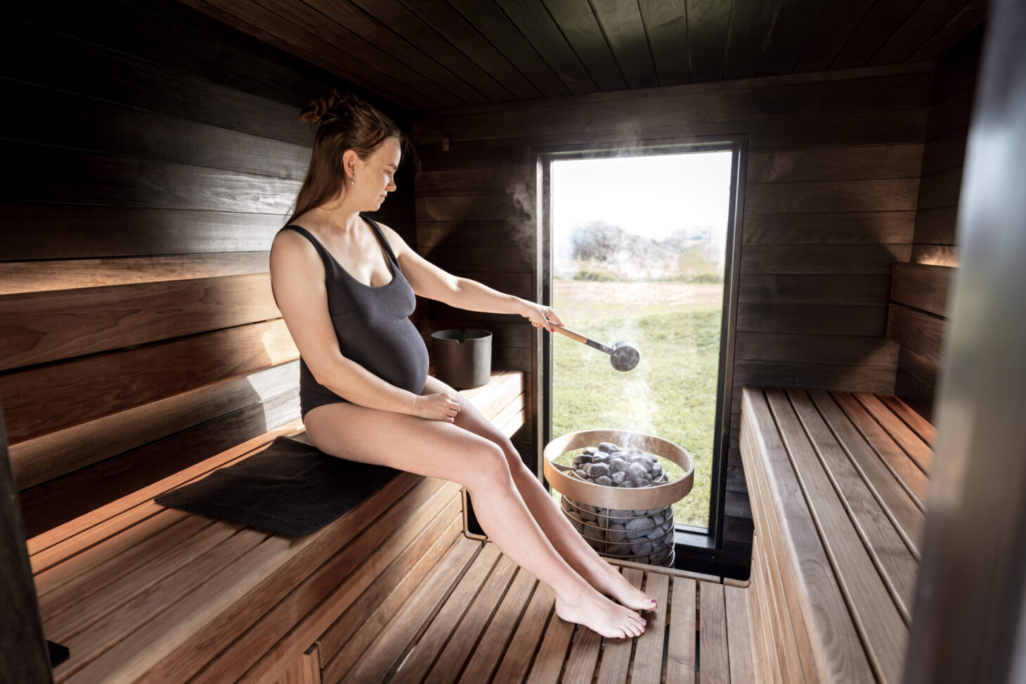
NHS guidance states that there is little research on using saunas, hot tubs and steam rooms during pregnancy. Because of the risks of overheating, dehydration and fainting, pregnant women may choose to avoid these environments, particularly during the first 12 weeks.
WHO Europe also highlights pregnant women as a population that can be disproportionately affected by extreme heat and recommends measures that help keep the body cool and hydrated.
At the same time, research suggests that not every brief sauna session causes maternal hyperthermia. A systematic review found that pregnant women exposed to a dry sauna at 70°C and 15% relative humidity for up to 20 minutes did not reach a core temperature of 39°C.
However, these findings come from controlled study conditions and should not be treated as a universal safe limit for sauna use during pregnancy. Individual health, pregnancy stage, sauna temperature, humidity, and length of exposure can all affect how the body responds.
If you want to continue sauna use during pregnancy, discuss it with your healthcare provider first and follow their individual guidance.
Possible risks of using a sauna while pregnant
Possible risks of using a sauna while pregnant include overheating, dehydration, dizziness, and fainting.
Pregnancy can make the body more vulnerable to heat stress, so it is important to avoid prolonged or intense heat exposure. If you feel dizzy, weak, nauseous, unusually hot, or otherwise unwell, leave the sauna and cool down.
Sauna during the first trimester
Sauna during the first trimester requires extra care because this is a particularly sensitive stage of fetal development.
During these first 12 weeks, your baby’s organs are forming, and your body is adjusting to major hormonal and physical changes. Exposure to high heat at this stage can raise core body temperature, which is why particular caution is recommended during early pregnancy.
NHS guidance notes that a significant rise in core body temperature may be harmful during pregnancy, particularly in the first 12 weeks.
If you’re looking for ways to relax, consider gentler alternatives such as stretching, comfortably warm baths, or leisurely walks.
As pregnancy progresses, your body continues to change, which can also affect how you respond to heat in the second trimester.
Sauna during the second trimester
Sauna during the second trimester can feel different as your body continues to change and respond to heat. Many pregnant women feel more energetic and physically comfortable than they did earlier in pregnancy, but heat exposure can still increase the risk of dehydration, dizziness, and overheating.
There is no universally recommended sauna session length for the second trimester. If your healthcare provider says sauna use is appropriate for you, follow their guidance, avoid overheating, stay hydrated, and leave immediately if you feel unwell.
Your response to heat may also be different from what you experienced before pregnancy. Sauna temperature, humidity, session length, hydration, and your individual health can all affect how your body reacts.
Pay attention to warning signs such as dizziness, weakness, nausea, headache, or feeling unusually hot. If any of these occur, leave the sauna and cool down.
Even during the second trimester, the goal is not to tolerate as much heat as possible, but to avoid excessive heat exposure and keep your body comfortable.
Sauna during the third trimester
Sauna during the third trimester requires continued attention to how your body responds to heat. During this stage, normal cardiovascular and physical changes of pregnancy may affect how comfortable you feel in a hot environment.
Heat exposure can contribute to dehydration, dizziness, or fainting, particularly if you remain in a hot environment for too long.
If your healthcare provider says sauna use is appropriate for you, stay hydrated, avoid overheating, and pay close attention to how you feel.
Before making any decisions about sauna use during the third trimester, discuss it with your healthcare provider and follow their individual guidance.
When to talk to your doctor
When to talk to your doctor about sauna use or significant heat exposure is ideally before you use a sauna during pregnancy.
Your healthcare provider can help you decide what is appropriate based on your health, how far along you are, and how your pregnancy is progressing.
They can also offer guidance based on your individual health, stage of pregnancy, and previous sauna experience.
Open communication can help you make informed decisions while caring for yourself and your developing baby.
If your healthcare provider recommends avoiding saunas, there are still many gentle ways to relax during pregnancy.
Enjoying warmth safely during pregnancy
Enjoying warmth safely during pregnancy means avoiding overheating while choosing forms of warmth that feel comfortable for your body.

Warm showers, comfortably warm baths, and other gentle ways to relax may be better options if your healthcare provider recommends avoiding sauna use.
If you have been cleared to use a sauna, follow your healthcare provider’s guidance, stay well hydrated, and pay close attention to how you feel.
Leave the sauna and cool down if you become dizzy, weak, nauseous, unusually hot, or uncomfortable.
The goal during pregnancy is not to test your heat tolerance but to enjoy warmth in a way that keeps your body comfortable.
Frequently asked questions
- Can pregnant women go in a sauna?
Pregnant women should be cautious about sauna use because excessive heat can raise core body temperature and lead to overheating or dehydration.
NHS guidance notes that pregnant women may choose to avoid saunas, hot tubs and steam rooms because of the risks of overheating, dehydration and fainting, particularly during the first 12 weeks.
Some studies suggest that short sauna exposure under controlled conditions may not raise core temperature to concerning levels, but there is no single sauna routine that can be considered safe for every pregnancy.
Talk to your healthcare provider before using a sauna while pregnant.
- Are saunas safe for pregnant women?
There is no simple yes-or-no answer that applies to everyone. The main concern with sauna use during pregnancy is overheating or maternal hyperthermia, particularly in early pregnancy.
If you are pregnant, the safest choice is to ask your healthcare provider whether sauna use is appropriate for you. If you are advised to use saunas, keep sessions conservative, stay hydrated, and leave immediately if you feel dizzy, weak, nauseous, or unusually hot.
- Can short sauna sessions be safe while pregnant?
Some studies suggest that short sauna exposure under controlled conditions may not raise core body temperature to concerning levels.
However, there is no universally recommended sauna duration for pregnancy, so always talk to your healthcare provider before using a sauna.
- Why is overheating dangerous during pregnancy?
Overheating can raise your core body temperature and increase the risk of dehydration and heat-related illness.
Elevated maternal body temperature, particularly during early pregnancy, has also been associated with an increased risk of certain birth defects, which is why avoiding maternal hyperthermia is important.
- What about infrared saunas? Are they safer?
An infrared sauna operates differently from a traditional sauna, but it can still increase core temperature and cause overheating or dehydration.
There is not enough pregnancy-specific evidence to conclude that infrared saunas are safer than traditional saunas.
The safest choice is to discuss infrared sauna use with your healthcare provider and avoid it if you have been advised to limit heat exposure during pregnancy.
- Can sauna use cause early labour?
Traditional beliefs in places like Estonia held that sauna heat could “bring on” childbirth, but there is not enough evidence to conclude that normal sauna use directly causes early labour.
However, excessive heat exposure can lead to dehydration and heat stress, so sauna use during pregnancy should be discussed with your healthcare provider.
References
- NHS. Saunas, hot tubs and steam rooms in pregnancy. National Health Service, UK.
- World Health Organization Regional Office for Europe. Heatwaves.
- World Health Organization Regional Office for Europe. Heat and health.
- Ravanelli, N., Casasola, W., English, T., Edwards, K. M., & Jay, O. (2019). Heat stress and fetal risk. Environmental limits for exercise and passive heat stress during pregnancy: a systematic review with best evidence synthesis. British Journal of Sports Medicine, 53(13), 799–805.
- BMC Pregnancy and Childbirth (2017). Fever in pregnancy and risk of congenital malformations.
- Hõbepappel, U., Hõbepappel, L., Nellis, S., & Nellis, S. (2023). SAUNA. History, Culture, Health, Construction.