06.08.2026
Sauna after exercise: why it’s the perfect end to an active day
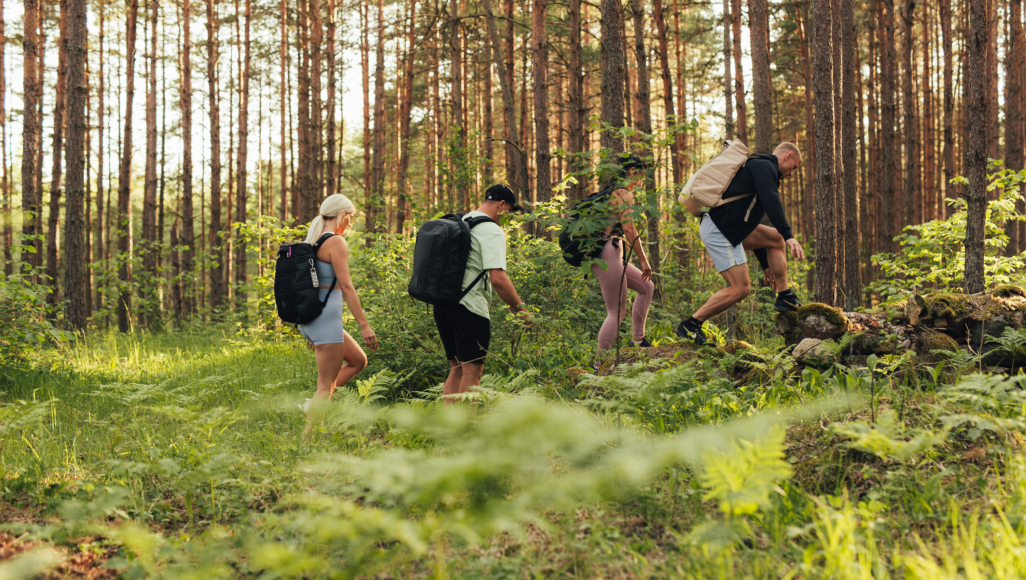
After a day spent hiking, cycling or swimming, there’s a moment when your body naturally begins to slow down. Your breathing becomes steadier, your muscles begin to relax and your mind lets go of the pace of the day.
That’s when a sauna often feels less like a luxury and more like the perfect way to end an active day.
Across Northern Europe, spending time outdoors and enjoying a sauna have gone hand in hand for generations. A sauna isn’t simply a place to warm up. It’s a chance to pause, unwind and appreciate the feeling of having nowhere else to be.
Many people wonder whether using a sauna after exercise or other physical activity is good for recovery. The answer depends on several factors, including the intensity of your activity, your overall health and how you use the sauna.
But one thing is clear: when enjoyed at the right time and at your own pace, a sauna can become one of the most rewarding parts of an active lifestyle.
An active day doesn’t always mean a workout. It might be a walk in the forest, a day spent gardening, paddleboarding on a quiet lake or playing outside with your children.
Whatever gets you moving and leaves you with that satisfying feeling of physical tiredness, a sauna is a wonderful way to slow down afterwards.
Why does a sauna feel so good after exercise?
A sauna after exercise is about more than physical recovery. After spending hours moving outdoors or exercising, both your body and your mind need time to slow down.
The warmth of the sauna encourages you to pause, breathe more deeply and leave the pace of the day behind.
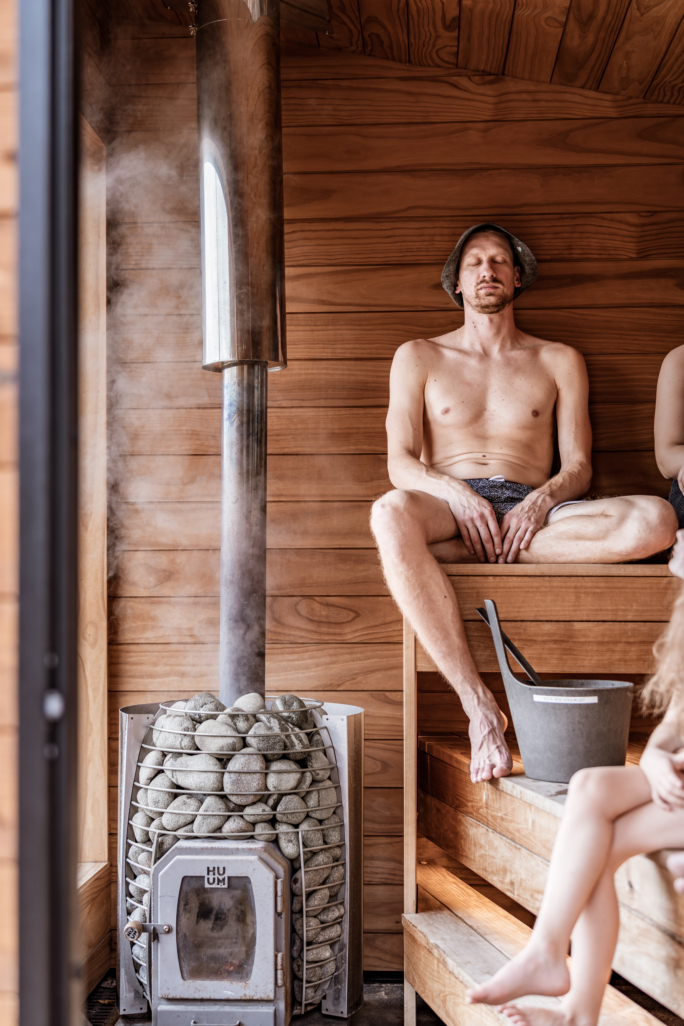
There’s also something deeply human about seeking warmth after physical activity. Across the Nordic countries, people have long paired outdoor adventures with a visit to the sauna.
Whether it’s after hiking in the mountains, cycling through the countryside or swimming in a lake, stepping into a warm sauna simply feels like the natural next step.
Perhaps that’s because a sauna changes your pace. You stop checking your phone, stop thinking about what’s next and focus on the present moment instead.
For many people, this quiet transition from activity to rest is just as valuable as the exercise itself.
If you’d like to make every sauna session more intentional, explore our guide to creating a sauna ritual, where you’ll find simple ways to turn every visit into a relaxing experience.
When should you use a sauna after exercise?
Using a sauna after exercise can be a great way to unwind, but timing matters. If you’ve just finished a high-intensity workout or a demanding endurance session, give your body a little time to cool down before stepping into the heat.
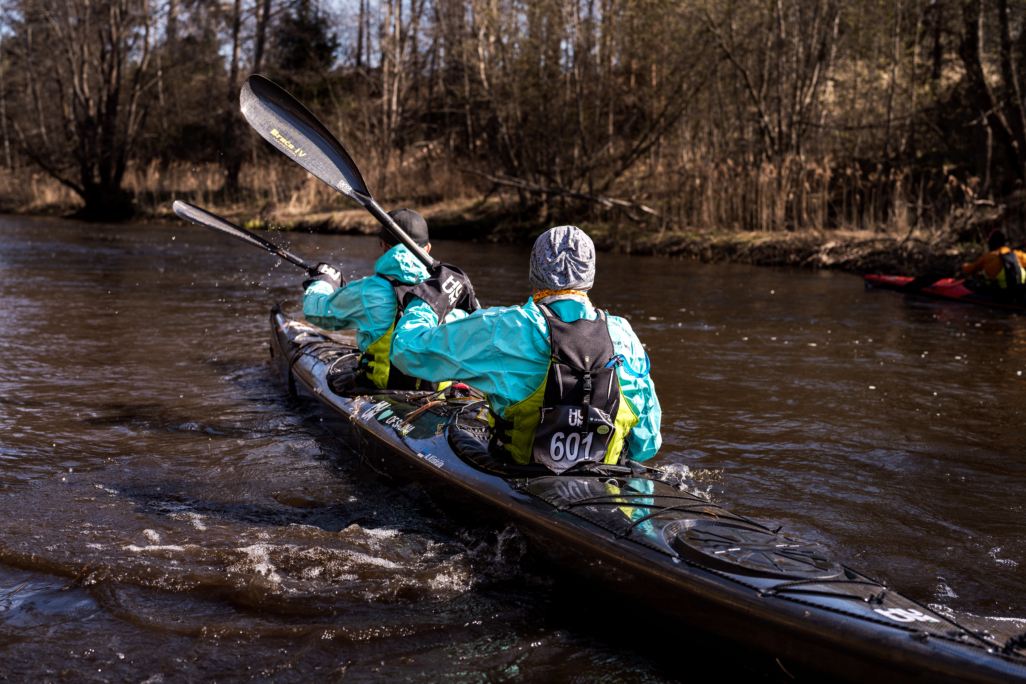
Let your breathing return to normal, rehydrate and listen to how you feel.
After lighter activities such as hiking, recreational cycling or an easy swim, the transition to the sauna is often more straightforward.
The key isn’t following a strict timeline but paying attention to your body’s signals. If you feel light-headed, exhausted or dehydrated, it’s better to rest first and save the sauna for later.
Hydration is just as important as the sauna itself. Physical activity and heat both increase fluid loss through sweating, so make sure you drink enough water before, during and after your sauna session.
If you’re new to combining exercise with sauna bathing, start gently. Shorter sauna sessions with cooling breaks in between are often more enjoyable than trying to stay in the heat for as long as possible.
A good sauna experience should leave you feeling refreshed, not drained.
If running is your favourite way to stay active, you might also enjoy our article on using a sauna after running, where we share practical tips for combining training with sauna bathing.
Sauna after hiking
A sauna after hiking is one of the most satisfying ways to end a day outdoors. Whether you’ve spent a few hours exploring local trails or completed a full-day hike in the mountains, the combination of fresh air, physical effort and quiet moments in nature creates the perfect setting for a relaxing sauna.
The experience is especially enjoyable on cooler or rainy days. After hours outside, stepping into the warmth of a sauna offers a welcome contrast.
As your body gradually warms up again, it’s easy to appreciate why hiking and sauna bathing have gone hand in hand across the Nordic countries for generations.
There’s no need to rush into the heat. Take a moment to change into dry clothes, drink some water and allow your breathing to settle.
Then enjoy the sauna at your own pace. Some people prefer one longer session, while others enjoy several shorter rounds with cooling breaks in between.
Adding a simple ritual can make the experience even more memorable. A cup of herbal tea, a few quiet minutes on the terrace or simply listening to the sounds of nature can turn the end of a hike into something you’ll look forward to every time.
Sauna after cycling
A sauna after cycling is a wonderful way to shift from movement to rest. Whether you’ve been out on quiet country roads, forest trails or mountain bike tracks, a sauna gives you time to slow down and enjoy the feeling that comes after a day well spent outdoors.
Before stepping into the sauna, give your body a chance to recover from the ride. Drink plenty of water, have a light snack if needed and allow your breathing and heart rate to return to normal.
After a particularly demanding ride or a race, it may be worth waiting a little longer before exposing your body to additional heat.
A good sauna session isn’t about endurance. There’s no prize for staying in the heat the longest. Instead, focus on comfort. Shorter sauna sessions with time to cool down in between are often more enjoyable and leave you feeling refreshed rather than fatigued.
If you enjoy cooling off after the sauna, whether with a cold shower, a lake or simply fresh outdoor air, take your time and do what feels comfortable. Our guide to cooling down after a sauna explores different ways to include cooling in your sauna routine.
Sauna after swimming
A sauna after swimming is a tradition that feels timeless. Whether you’ve been swimming in a lake, the sea or an outdoor pool, stepping into the warmth of a sauna afterwards creates a satisfying contrast that many people look forward to.
If your swim was relaxed and recreational, moving from the water to the sauna often feels completely natural. After a more demanding training session, however, it’s worth taking a little time to rest, rehydrate and let your body settle before enjoying the heat.
For many sauna enthusiasts, cooling down is just as important as warming up. A dip in the lake, a cool shower or simply sitting outside in the fresh air can all become part of the experience.
Rather than rushing through each stage, allow yourself time to enjoy the changing sensations of warmth and coolness.
Looking back on an active day, it’s often not the distance you hiked, cycled or swam that stays with you. It’s the quiet moment afterwards—sitting outside the sauna, wrapped in a towel, listening to the sounds of nature and feeling completely present.
Making sauna part of your recovery routine
Making sauna part of your recovery routine starts with listening to your body. Drinking enough water, eating well and giving yourself time to rest are just as important as the sauna itself.
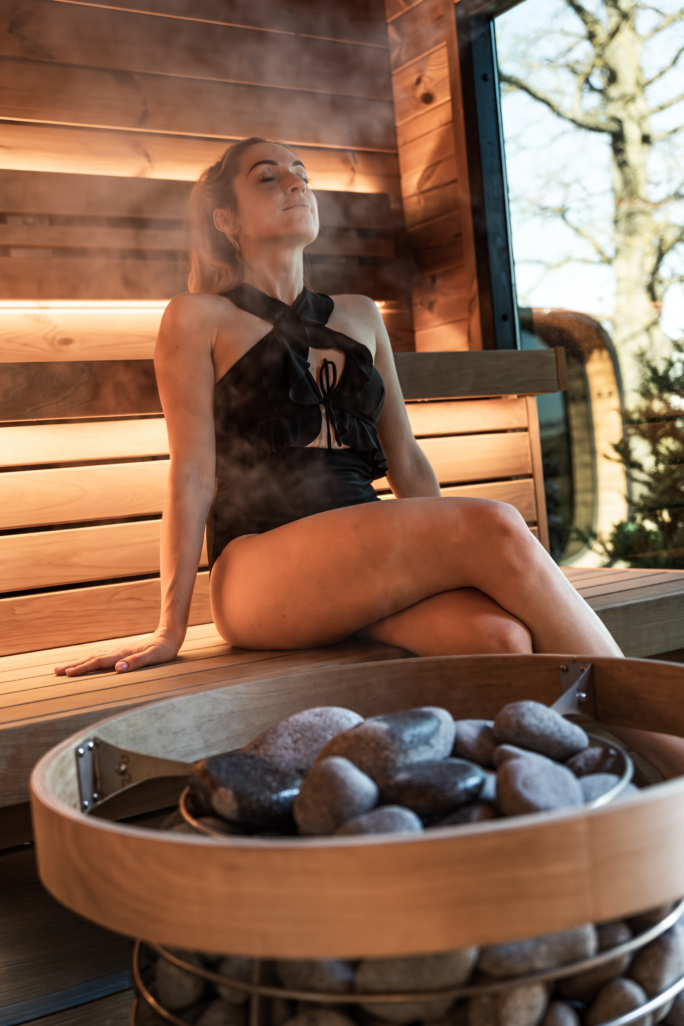
There’s no need to stay in the heat for as long as possible. Many people find that shorter sauna sessions, combined with cooling breaks, are more enjoyable than one long stay in the sauna. The best approach is the one that leaves you feeling relaxed and refreshed.
Recovery doesn’t end when you step out of the sauna. Sit outside for a while, enjoy a cup of tea or simply take in the fresh air. These quiet moments are often just as meaningful as the sauna itself and help turn it into a ritual rather than simply another item on your schedule.
If you’re looking for ideas to create a more mindful sauna experience, explore our guide to building your own sauna ritual. Even small details can make every sauna session more enjoyable.
What does research say about sauna and recovery?
Research on sauna and recovery continues to explore how heat affects the body after exercise.
While research suggests that heat exposure may support the body’s adaptation to exercise in certain situations, the effects vary depending on the individual, the type of exercise and how the sauna is used.
Scientists generally agree that a sauna should be seen as one part of a healthy recovery routine rather than a solution on its own. Quality sleep, good nutrition, hydration and appropriate rest remain the foundations of recovery.
A sauna can complement these habits by providing a relaxing environment where both body and mind have an opportunity to unwind.
Researchers also continue to explore how regular sauna bathing may influence cardiovascular health, stress management and overall wellbeing. Although many findings are promising, more research is still needed to understand exactly how different sauna practices affect different people.
When should you skip the sauna?
Skipping the sauna is sometimes the better choice, especially if you feel dehydrated or unwell after exercise. If you feel dizzy, nauseous, unusually exhausted or dehydrated after exercise, it’s best to let your body recover before exposing it to additional heat.
The same applies if you’re feeling unwell, have a fever or are recovering from an illness. If you have a cardiovascular condition or another chronic health concern, speak with your healthcare professional about whether sauna bathing is appropriate for you.
Listening to your body is always more important than following a schedule. If something doesn’t feel right, give yourself time to recover first. The sauna will still be there when you’re ready.
Frequently asked questions
You can use a sauna after exercise, but it isn’t always a good idea to go in immediately. After intense exercise, it’s a good idea to let your heart rate and breathing return to normal before entering the sauna. Rehydrate first, and only use the sauna if you feel well.
There is no universal waiting time. Rather than watching the clock, pay attention to how you feel. Once your breathing has settled, you’ve had something to drink and your body has cooled down slightly, a sauna is usually more comfortable.
A sauna can be part of a healthy recovery routine, but it shouldn’t replace sleep, hydration, balanced nutrition or rest. Many people find that a sauna helps them relax after physical activity, while research suggests it may offer additional benefits as part of an overall healthy lifestyle.
Yes, if you feel comfortable doing so. After a demanding swim or training session, give yourself time to rest and rehydrate before entering the sauna. If your swim was recreational, moving from the water to the sauna often feels like a natural progression.
The best sauna session is the one that feels comfortable. Some people enjoy one longer session, while others prefer several shorter visits with cooling breaks in between. If you start to feel uncomfortable, dizzy or overly hot, it’s time to step outside and cool down.
Both exercise and sauna bathing increase fluid loss through sweating. Drinking enough water before and after your sauna session helps maintain hydration and supports your body’s natural recovery process.
For many people, yes. A sauna is a relaxing way to end a day spent outdoors. After a long hike, change into dry clothes, drink some water and allow your body to settle before enjoying the warmth of the sauna.
The best part of an active day
Whether you’ve spent the day hiking through the forest, cycling quiet country roads, swimming in open water or simply enjoying time outdoors, a sauna offers a chance to slow down before the day comes to an end.
You step outside between sauna sessions, breathe in the cool evening air and realise there’s nowhere else you’d rather be. Moments like these are part of what makes sauna bathing so special.
It’s more than a place to get warm. A sauna invites you to pause, reconnect with yourself and appreciate everything the day has brought.
Perhaps that’s why, across Northern Europe, time outdoors and time in the sauna have gone hand in hand for generations.